


The effects of COVID-19 policies can still be felt today, especially in education. After all, COVID-19 and the subsequent oppression of students by former Chancellor Woodson, NC State administration, and faculty, led to The Free Pack’s creation.
Yet we are just one group. Statewide, the results of mask mandates and virtual classes can still be felt. EducationNC published an article on September 4th, 2025, that the the 2024-25 state tests results show that 55% of students passed state exams last school year, 0.8 percent points more than the year before but still below the rate of 58.8% in the 2018-2019 school year.
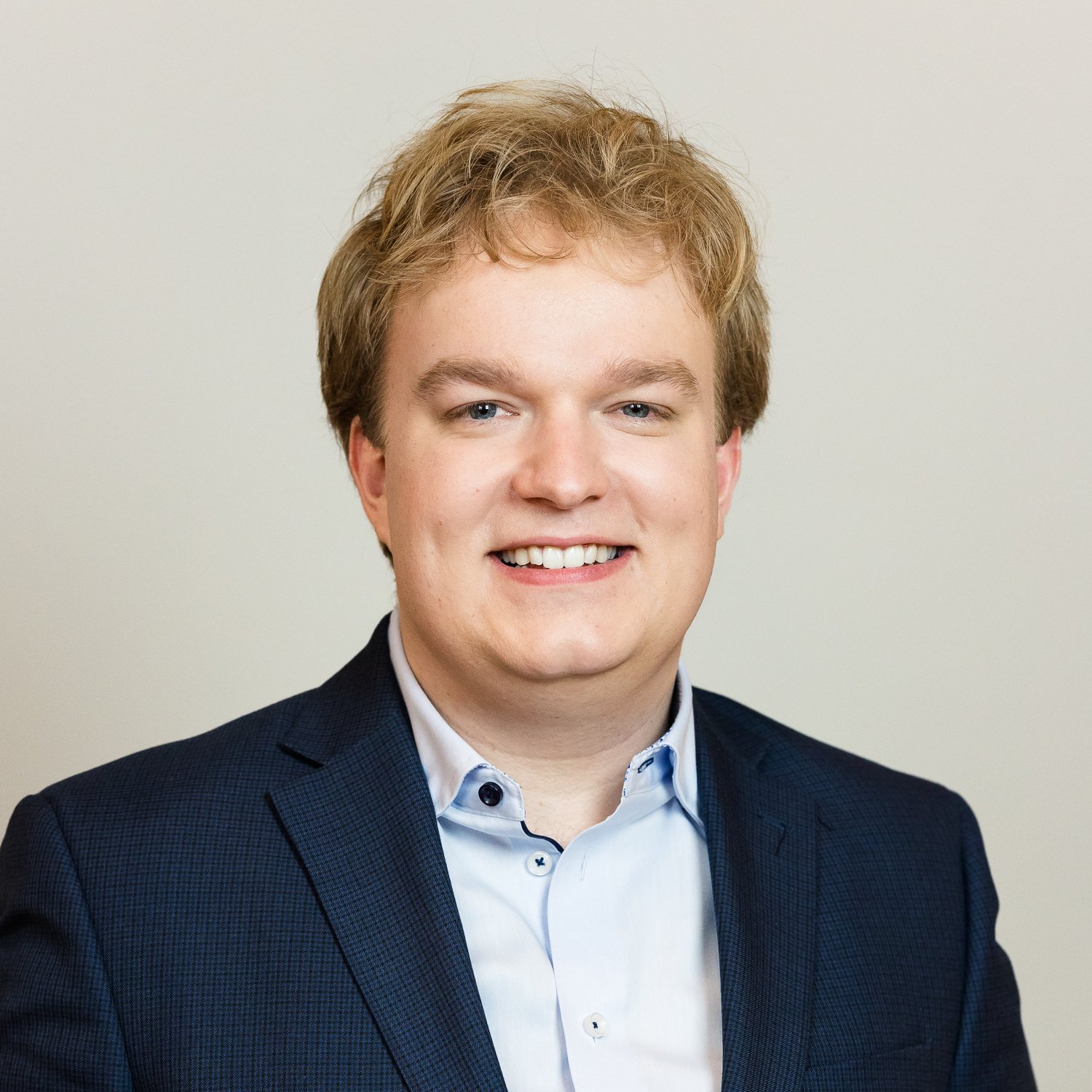
On October 9th, the School of Public and International Affairs at NC State hosted Dr. Frances Lee, a professor of politics and public affairs at Princeton University, to talk about the COVID-19 pandemic and evaluate the past policy responses to it.
Dr. Lee took a comprehensive look at the different non-pharmaceutical interventions that she referred to as NPIs, that included a wide range of policies such as lockdowns, business closures, mask mandates, etc.
At the start of her lecture, Dr. Lee reviewed pandemic response recommendations from the World Health Organization, Johns Hopkins Center for Health Security, the Bush Administration, and Institute of Medicine. The overall consensus seemed to be uncertainty and skepticism regarding the efficiency of NPIs.
For example, the World Health Organization in November 2019 had published a systematic review report that had stated that contact tracing, quarantine of exposed individuals, entry and exit screening, and border closures were “not recommended in any circumstances.”
Johns Hopkins Center for Health Security in September 2019 (a month before their SARS pandemic simulation exercise with Gates Foundation and the World Economic Forum), had emphasized that the “absence of evidence surrounding many NPIs and the adverse consequences that may follow them.”
Meanwhile, back in 2006, the Bush Administration had published the National Strategy for Pandemic Influenza. In it, the administration had advocated for “early, targeted, and layered use of NPIs.” This was based on interpretation of some research data of the 1918 Spanish flu pandemic. However, the recommendations of the Bush Administration was unconvincing for the health expert panel at the Institute of Medicine, because they found that mortality in 1918 was only “weakly associated with the interventions” and that in times of crisis, “leaders would have political incentives to deploy NPIs even in the absence of proven benefits and without consideration of secondary effects.”
Despite these mainstream reservations, even Dr. Anthony Fauci said, “That’s something I don’t think we could possibly do in the United States… Historically, when you shut things down, it doesn’t have a major effect.”
And yet as we know it, everyone changed their minds and adopted these NPIs as main policies for combatting COVID. One of these was the stay-at-home order that were issued faster by Democratic governors than Republicans.

Now that we can look back, we can take a better look at the data available,
According to Dr. Lee, there is no correlation between the use of NPIs and COVID-19 mortalities before vaccines were available.
“Stay home orders, masks, closures, closures of bars, closures of restaurants, closures of higher education, did not have a statistically significant effect on variation in COVID mortality,” she said.

However, after some time had passed when the vaccines initially rolled out, a divergence started to happen. By January 2023, Republican states had suffered nearly 30% higher cumulative mortality, which is strongly explained by vaccine uptake.

“The least vaccinated state experienced 1.6 times as much COVID mortality as the most vaccinated state. However, the different policies that states pursued before the vaccines were available do not correlate with COVID mortality,” Dr. Lee clarified.
A lot of this pseudo-science is due to groupthink.
“Group think occurs when a group makes faulty decisions, when group pressures lead to a deterioration of reality testing and moral judgment. They believe in the inherent morality of their cause, they exhibit excessive optimism. They don’t consider that their policies might fail, which encourages the taking of extreme risks. They fail to reconsider assumptions, even when information begins to come that undercut those assumptions. They engage in self censorship, they fail to voice the doubts that they have in the group, and then that creates an illusion of unanimity.”
In addition to dangers of groupthink, Dr. Lee summarizes the other additional teachings from COVID-19 as thus:
“If you’re a public health person, you have this very narrow view of what the right decision is, and that is something that will save a life. It doesn’t matter what else happens. So if you attach infinite values stopping the disease and saving the life, you attach zero value to whether this actually totally disrupts people’s lives or the economy it has many kids kept out of school in a way they never quite recover from.
Class bias also affected diadvantaged groups disapproprionately. For example, low-wage workers, who if they lost their jobs, had to wait extended periods for unemployment benefits due to the overwhelmed state systems. Also, small business owners and people with disabilities had higher costs.
Lastly, there was a breakdown of checks and balances.
“I posit that COVID policy reflected a near total breakdown of checks and balances, and that it was an extreme case of executive policy making. Legislatures were sidelined almost everywhere. To a considerable degree, they sidelined themselves. It would be many months before COVID policy would begin to be debated in legislative settings.”
As a warning for future developments, Dr. Lee sees executive power ever growing from COVID times.
“I feel like we’ve on a little bit if we think of a COVID as a turning point, been on a path since then that has seen a growth of executive authority and acceptance of it.”

